
The Centre for International Security invites you to attend the guest lecture entitled “A New Method in FPA: Using Deep Learning Models for Detecting National Role Conceptions” by Mehdi Sosar (Marmara University and Antalya Bilim University).
The lecture will take place on 23 June 2026 at 17:00 at the premises of the Centre for International Security (University of Belgrade, Faculty of Political Science, Jove Ilića 165, Belgrade).
The aim of this seminar is to examine Role Theory, one of the prominent theories used in Foreign Policy Analysis since the 1970s, and the potential to make a methodological contribution to its literature.
Generally, the Role Theory literature adopts an actor-based approach within Foreign Policy Analysis, seeking to understand the influence of the ego, the alter, their interaction, identity, internal and external expectations, and numerous other similar factors in determining states’ foreign policies. However, the majority of these studies have adhered to the methodology used since the theory’s inception, structuring their primary focus around understanding or explaining singular foreign policy events or a state’s foreign policy over specific periods using this theory.
This seminar aims to test whether it is possible to identify the National Role Conceptions adopted by any given state within a specific time frame by performing classification tasks on textual data used in foreign policy analysis. It will do so by employing deep learning algorithms, which surpass traditional machine learning algorithms in terms of system design complexity and computational power, and are currently widely renowned for their use in training artificial intelligence chatbots, thereby seeking to introduce an innovative methodology to the field.
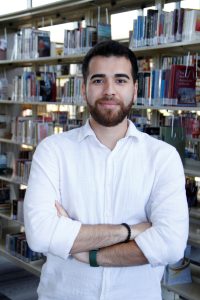
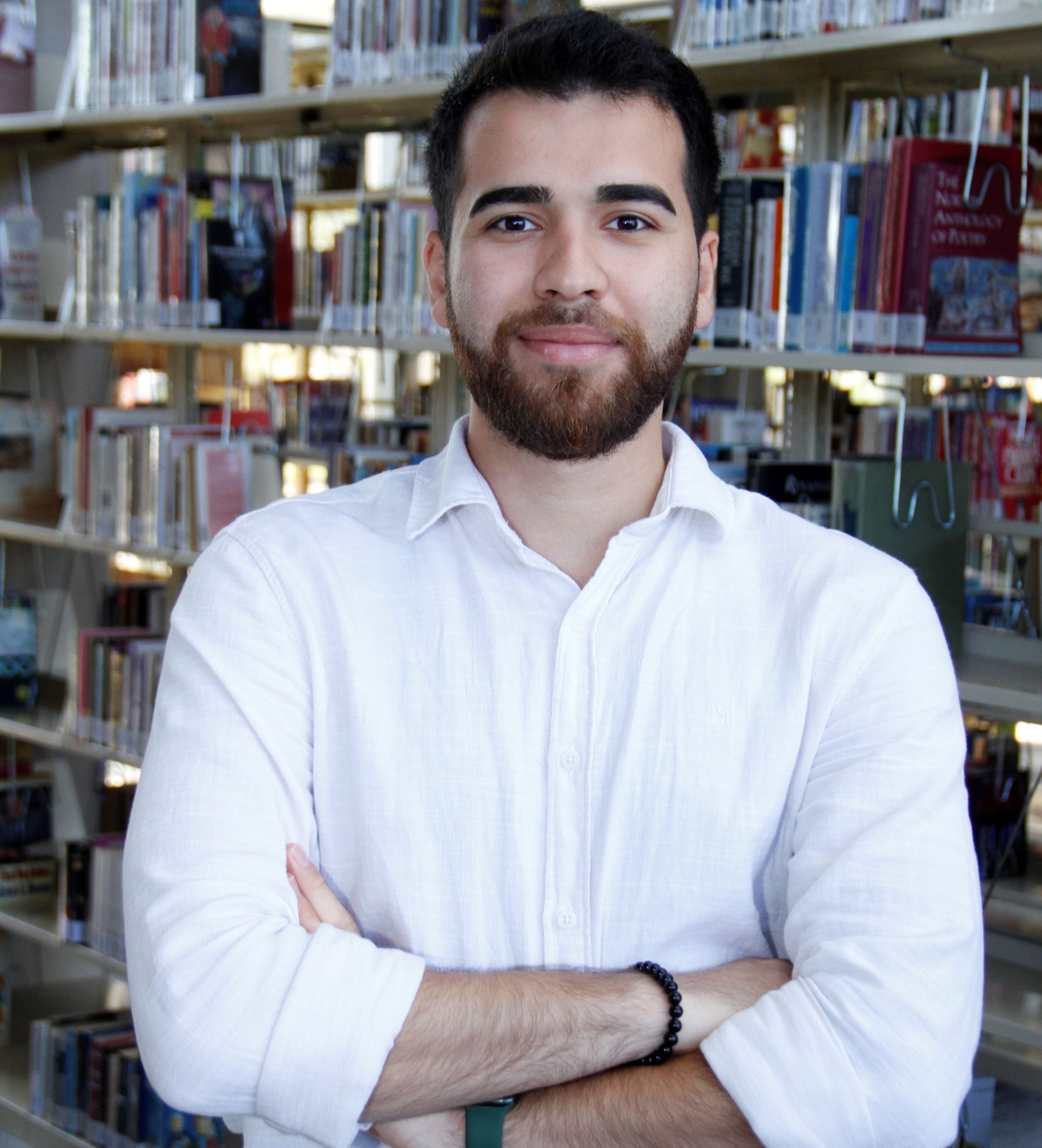
Mehdi Sosar is a PhD candidate at the Marmara University, and researcher at Antalya Bilim University, Department of Political Science and International Relations. He received his master’s degree from the Department of International Relations at Sakarya University, Institute of Social Sciences, in 2025, and completed his undergraduate studies in the Department of Political Science and International Relations at Istanbul University, Faculty of Political Sciences. He possesses advanced proficiency in English and Persian, and intermediate proficiency in Arabic and Spanish. His research interests include Quantitative Data Analysis, Computational Social Sciences, Middle East Politics, Modernism in the Middle East, Iranian Political History, Iranian Domestic Politics, and Turkey-Iran Relations.